Medical Marijuana For Veterans
If you’ve served, you deserve straightforward care. We’ll help you understand the marijuana medical program, explore options for symptom relief, and get set up with a dispensary that puts education first.


Compassionate Care, the Fine Fettle Way
Veteran-first guidance, start to finish.
Navigating medical cannabis can feel like a lot—especially when you’re managing pain, stress, sleep issues, or other ongoing symptoms. Our team is here to make it simple, respectful, and judgment-free.
We can help you:
- Build a plan that fits your goals and comfort level
- Understand how the state medical programs work
- Prepare for a provider visit and state registration
- Learn about product formats and dosing basics

Why Veterans Chose Medical:
- Lower prices*
- No taxes
- Higher dose & potency products
30%+ THC flower/pre-rolls - 40% discount on all accessories
- Medical-only promotions & offers
- Discounted beverages (~30% savings)
- Prioritized in checkout line
- Larger daily purchase allotment
(& up to 5 ounces per 30 days) - Unlimited free pharmacist consultations
*Medical product prices in CT are at least 10% lower than recreational product prices.
How Medical Cannabis May Help Veterans

Wellness Support for Veterans
Many veterans explore medical cannabis as part of a broader wellness plan—especially for symptoms that can persist long after service. While everyone’s experience is different, patients commonly report benefits in areas like chronic pain, sleep, stress, and mood. Our role is to help you understand options, start safely, and find a routine that fits your goals.

What it might help with:
- Chronic pain & inflammation: Some patients use cannabis to reduce day-to-day discomfort and improve mobility.
- Sleep support: Certain products may help with falling asleep, staying asleep, or easing nighttime restlessness.
- Stress & PTSD-related symptoms: Many veterans look for support with hypervigilance, intrusive thoughts, irritability, and feeling “on edge.”
- Anxiety & mood: Some patients find cannabis helps them feel calmer or more balanced—especially when paired with healthy routines.
- Appetite & nausea: Cannabis can support appetite and reduce nausea for some patients.
How Cannabis Works
Cannabis interacts with the body’s endocannabinoid system (ECS)—a network of receptors involved in regulating pain, stress response, sleep, appetite, and inflammation. The two most well-known cannabinoids are:
- THC (tetrahydrocannabinol): Often associated with stronger symptom relief for pain, sleep, and appetite, but can also feel intoxicating or increase anxiety in some people—especially at higher doses.
- CBD (cannabidiol): Non-intoxicating for most people; often used for relaxation, inflammation support, and to “smooth out” the effects of THC.
- Terpenes (aromatic compounds in cannabis) may also influence how a product feels—some are more calming, others more uplifting.
What “safe and effective” looks like
We’ll help you find a starting point that’s comfortable:
- Start low and go slow (especially with THC)
- Choose the right format for your needs (tinctures, capsules, vapes, edibles, flower, topicals)
- Track what you feel and adjust gradually
- Review medication interactions and safety considerations with a pharmacist
Important note: Medical cannabis isn’t a one-size-fit
Grown with Care
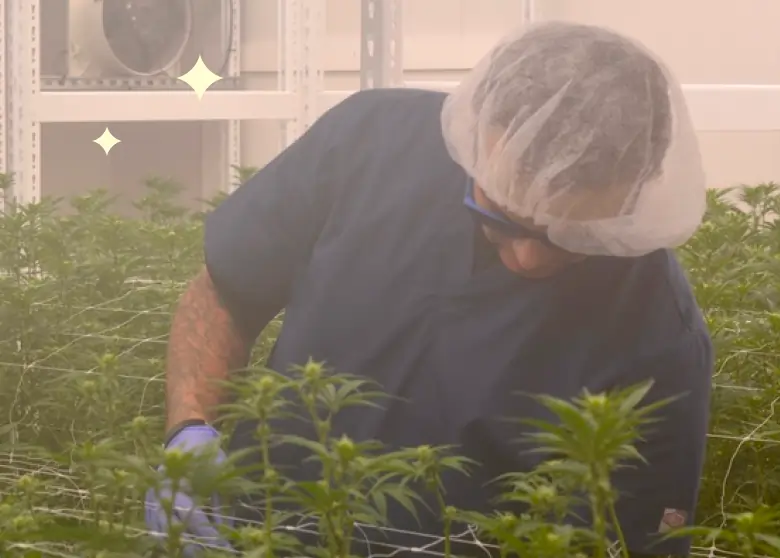
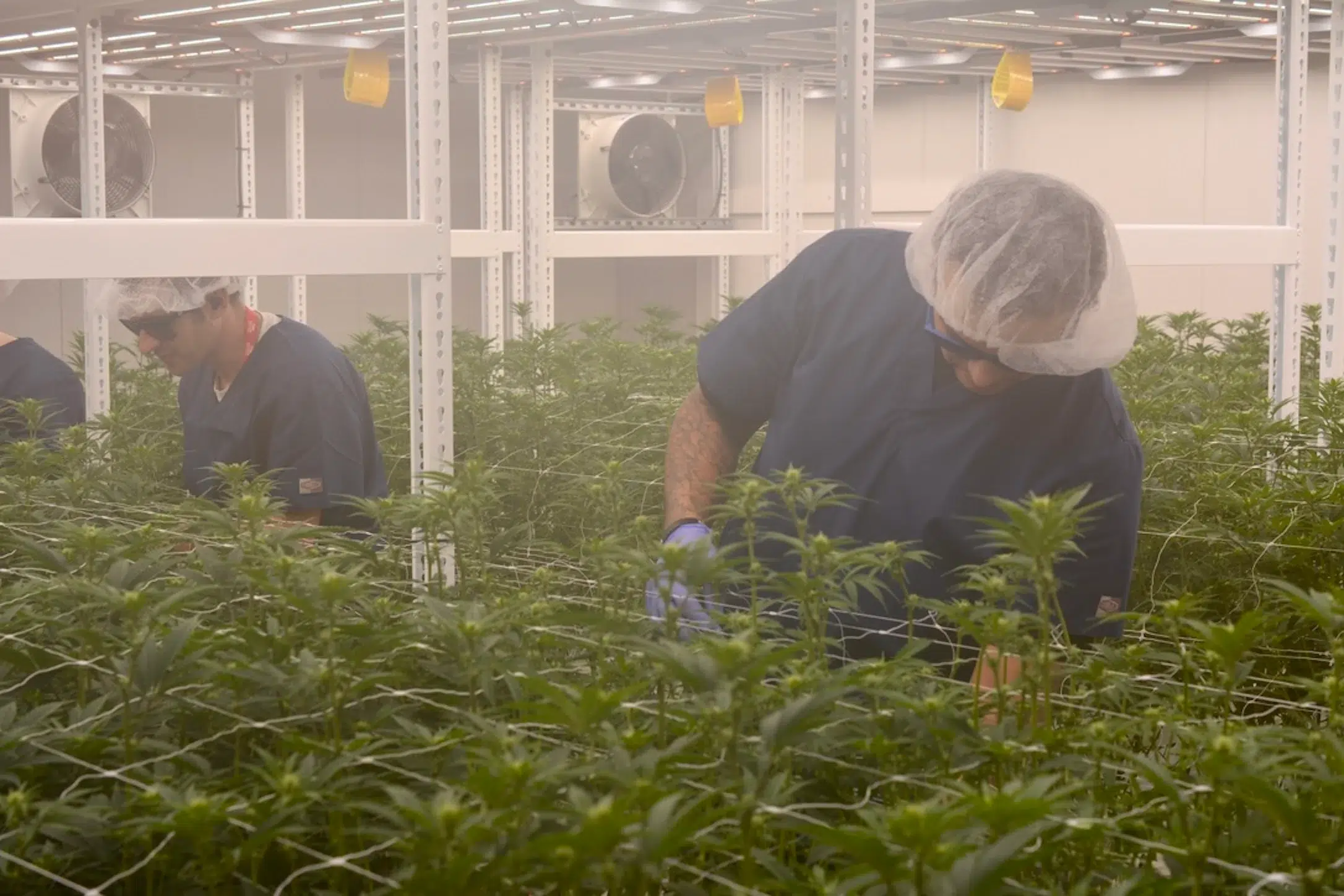
We believe quality starts at the source. Our cultivation team and vendor partners grow high-quality, lab-tested cannabis under strict standards. Every product on our shelves is hand-selected to support your wellness—whether you’re managing chronic pain, easing anxiety, boosting your mood, or sleeping more soundly.
Blog
Cannabis News & Resources

What Is CBN? A Beginner’s Guide to the “Sleepy Cannabinoid”
Fine Fettle Expands Medical Access Across Connecticut: All Locations Hybrid Dispensaries as of 1/15/26
Connecticut Cannabis Limits Explained: How Much Can You Buy & Carry?

Benefits of a Connecticut Medical Cannabis Card: What Patients Should Know

How Fine Fettle Partners with the Last Prisoner Project to Champion Cannabis Justice

Fine Fettle’s Cannabis Gift Guide: Top Picks for Every Budget
Frequently Asked Questions
Does the VA prescribe or cover medical cannabis?
The VA does not prescribe cannabis. Medical cannabis access is handled through the state program and a certified state provider.
Will using medical cannabis affect my VA benefits?
Policies can vary by situation. If you have questions about how cannabis may intersect with your care or benefits, we recommend speaking with your VA provider or a qualified benefits advisor.
What veteran-related symptoms do patients commonly use medical cannabis for?
Many veterans explore medical cannabis for symptoms like chronic pain, sleep issues, stress, anxiety, and PTSD-related symptoms. Everyone responds differently, and it may not be appropriate for everyone.
How does cannabis help with sleep, pain, or stress?
Cannabis interacts with the body’s endocannabinoid system, which helps regulate sleep, pain, mood, and stress response. THC, CBD, and terpenes can all influence how a product feels—our pharmacists can help you understand options based on your goals.
How should I start if I’m new to cannabis?
Start low and go slow—especially with THC. Begin with a low dose, give it time to work, and increase gradually if needed. A pharmacist consult can help you choose a safe starting point.
Can I talk to a pharmacist before I buy anything?
Yes—Fine Fettle offers pharmacist consultations to help you understand products, dosing basics, and safer-use guidance.Click here to book a pharmacy consult.