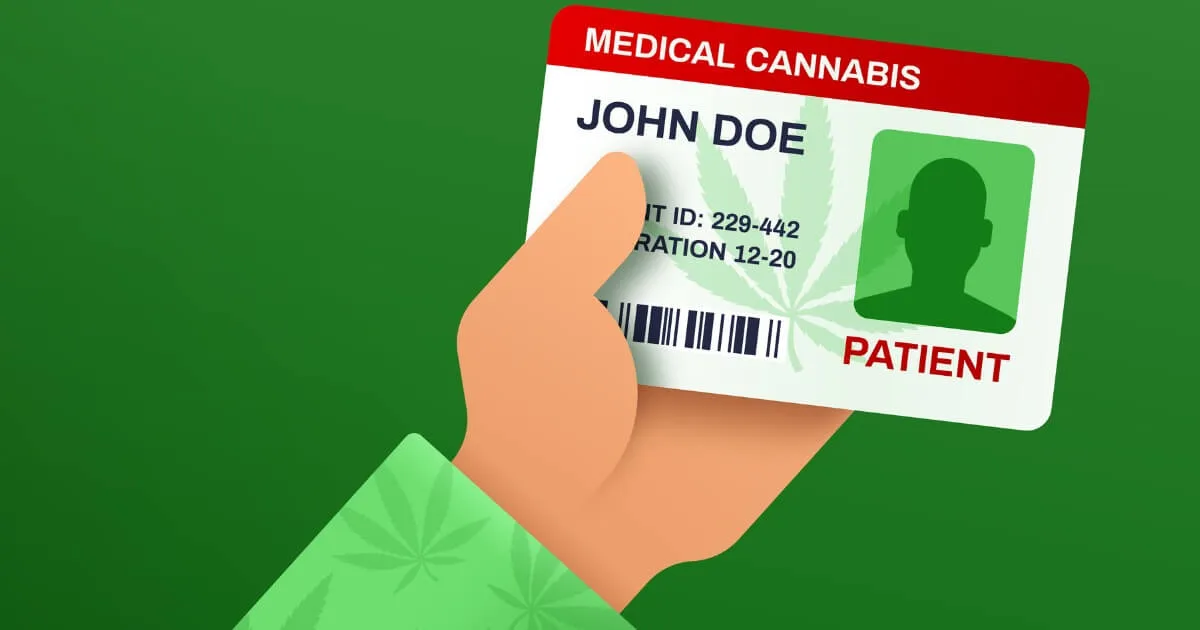
Your Georgia medical marijuana card is about to matter more than it did a year ago. On July 1, 2026, Georgia’s medical cannabis program opens the door for inhalable product options at licensed dispensaries, and that means faster-onset formats are finally part of the conversation. If you want to be ready when those products hit menus, your simplest win is getting your registry card handled early, not in the late-June scramble.
We talk with patients in Georgia every day. A lot of the questions sound the same: “I’ve been waiting for something that works quicker,” or “I want more control over timing,” or “I don’t want to guess how long it’ll take.” If that’s you, this guide is built for your real-life planning. No hype. Just what’s changing, what to do next, and what to bring when you walk in.
Georgia medical marijuana card basics (and the name change you’ll keep hearing about)
You’ll hear people say “Georgia medical marijuana card,” “low THC card,” and a few other versions depending on who you’re talking to. Historically, Georgia used the term Low THC Oil Registry Card, with registration managed through the Georgia Department of Public Health. If you want the official state overview of the process, start with the Georgia DPH Low THC Oil Registry page.
Now for the update that’s been confusing folks. Georgia SB 220, also called the Putting Georgia’s Patients First Act, modernizes the language across the program. It shifts older “low THC oil” wording to medical cannabis terminology and renames the registry to the Medical Cannabis Patient Registry. It also updates how the law talks about THC limits, possession amounts, caregiver definitions, and the broader product framework. If you like to read the source for yourself, you can review Georgia SB 220 (Putting Georgia’s Patients First Act).
In other words, you’re not imagining it if the terms feel like they’re shifting under your feet. Our advice is simple: use whatever phrase gets you the information you need in search, then follow the state’s current program language when you’re completing paperwork.
Georgia medical marijuana card and 7/1/26: what actually changes with inhalables
Starting July 1, 2026, Georgia begins allowing licensed dispensaries to sell inhalable low-THC medical cannabis products for the first time. That expansion was authorized by HB 1339, which you can verify via the Georgia General Assembly page for HB 1339.
What that means for you, day-to-day: if you have a valid, current registry card, you’ll be able to shop new inhalable options once your dispensary has them in stock. You typically will not need a new card just because the product menu expands, but you do need an active registration. If you want extra context on how the rollout has been covered publicly, the Atlanta Journal-Constitution overview of inhalable products in July 2026 is a helpful snapshot of what dispensaries have been preparing for.
Why inhalables are a big deal for some patients (and not for everyone)
When patients ask us about inhalables, they usually are not chasing “stronger.” They’re chasing timing. Inhalable formats are often chosen because effects can come on faster than many oral options, which can make it easier to match your use to the moment you’re in.
That same faster timing is why we encourage a careful approach. For some people, inhalables can feel like they show up all at once. If you’re newer, or coming back after a long break, that’s a good reason to keep your plan simple: start low and go slowly. And if you’re using medical cannabis for a health concern, your clinician should always be part of your decision-making.
How to get a Georgia medical marijuana card: the steps you’ll actually follow
If you’re looking up how to get a Georgia medical marijuana card, you’re probably trying to answer one question: “What do I do first?” Here’s the sequence that tends to keep patients out of the weeds.
- Confirm you have a qualifying condition. Georgia has a defined list of qualifying conditions. What matters most is that you have documentation and a Georgia-licensed physician who can certify you meet the program requirements.
- Book an evaluation with a Georgia physician. Your physician certifies eligibility and submits your information into the state system. Many patients use telehealth providers when that’s available and appropriate.
- Finish the registry steps and pay the state fee. Once your information is in the system, you complete the registration process and pay the required fee. The state fee is commonly $25 for patients and $5 for caregivers, and cards are generally valid for two years. Always confirm current requirements through Georgia DPH before you submit.
- Keep your card active. Your registry card is your key to shopping at a licensed Georgia dispensary. If it expires, you can end up stuck waiting to purchase until you’re active again.
If you want a longer walkthrough with first-visit tips, timing expectations, and common patient questions, you can use our internal guide: Georgia Medical Marijuana: A Complete Patient Guide.
Georgia medical marijuana card timing: how early is “early enough” before 7/1
If you want to shop inhalables shortly after July 1, do yourself a favor and avoid the last-minute rush. Even when the process is smooth, there are a few natural bottlenecks: scheduling an appointment, tracking down documentation, and waiting for registry processing.
Two practical tips we see help people most:
- Gather your documents before you book. Have your ID ready and any medical records you’ll need for your physician visit.
- Set a renewal reminder now. Cards are commonly valid for two years, and it’s easy to forget until you’re trying to make a purchase.
What to bring to the dispensary in Georgia (so your first visit feels easy)
Your first dispensary visit should feel like a normal errand, not a test. The basics are straightforward. Bring your valid registry card and a government-issued photo ID. Plan for a check-in process that focuses on compliance and patient safety.
From our side of the counter, the smoothest first visits usually happen when you come in with one or two simple goals. For example:
- “I want something that feels fast so I can better plan my evening.”
- “I want a format that fits bedtime and won’t surprise me later.”
- “I want to keep dosing consistent, not guessy.”
If you want to see how we support patients in-state, start with Fine Fettle’s Georgia medical cannabis page. And if you’d rather talk it through with a real human before you visit, reach out through the Fine Fettle contact page.
Choosing a format after 7/1: inhalables vs. tinctures, capsules, and topicals
Once inhalables are available, the best product choice still comes down to a few basics. We use a simple framework in store so you don’t feel like you need a chemistry degree to shop.
| What you’re deciding | What to ask yourself |
|---|---|
| Format | Do you want an inhalable option, or would you rather avoid inhalation entirely. |
| Onset time | Do you want something that may come on faster, or something slower and steadier. |
| Duration | Do you want shorter, more adjustable timing, or longer-lasting effects. |
Here’s how patients often describe the common categories in Georgia. This is product guidance, not medical advice, and your experience can vary based on dose, tolerance, and the specific product.
- Inhalables (21+). Often chosen for faster onset and more moment-to-moment control.
- Tinctures and oils. Popular for measurable dosing and routine-building.
- Capsules. A good fit when you want convenience and consistency.
- Topicals. A non-inhaled option that some patients explore as part of a broader wellness routine.
FAQ: Georgia medical marijuana card and inhalables
Do you need a new Georgia medical marijuana card for inhalables on 7/1/26.
No. If your registry card is valid and current, you should be able to purchase newly allowed inhalable products once they are available at licensed dispensaries.
Is Georgia recreational cannabis available after 7/1/26.
No. Georgia remains medical-only. You must be a registered patient or caregiver with an active registry card to purchase.
Is it still called a low THC oil card in Georgia.
Not officially. SB 220 updates the program language from “low THC oil” to medical cannabis and renames the registry to the Medical Cannabis Patient Registry. You may still hear the older term in everyday conversation, especially from people who registered years ago.
How much does the Georgia registry card cost.
State fees are commonly $25 for patients and $5 for caregivers, and cards are generally valid for two years. Always confirm current requirements through Georgia DPH before you pay any fee.
What age do you need to be to buy inhalables in Georgia.
Under the updated framework, inhalable options are permitted for eligible patients aged 21+. If you are under 21, ask your physician and dispensary staff which formats are permitted for you under current rules.
What if you’re not sure what to start with.
Come in with your goals and ask for product guidance based on format, onset time, and duration. If you want to talk before you visit, use the Fine Fettle contact page and we’ll point you in the right direction.
Conclusion
If inhalables are the option you’ve been waiting for, getting your Georgia medical marijuana card squared away before July 1 is the easiest way to stay ahead of the rush. Handle your physician evaluation, complete your registration, and keep your card current so you can shop calmly and compliantly when new products land. When you’re ready to visit, we’ll help you compare formats, understand timing, and build a plan that feels comfortable for you.